ALIGNING ECOLOGICAL RESTORATION AND HUMAN WELL-BEING.
Marine prosperity areas are a new approach to marine protection that links ecosystem restoration with human wellbeing. They support inclusive ocean management that helps nature recover while investing in communities’ futures through education, local leadership, and sustainable economies. By aligning conservation and community development, mppas offer a hopeful and practical alternative to conventional marine protection.
PROMOTING PROSPERITY BEYOND PROTECTING
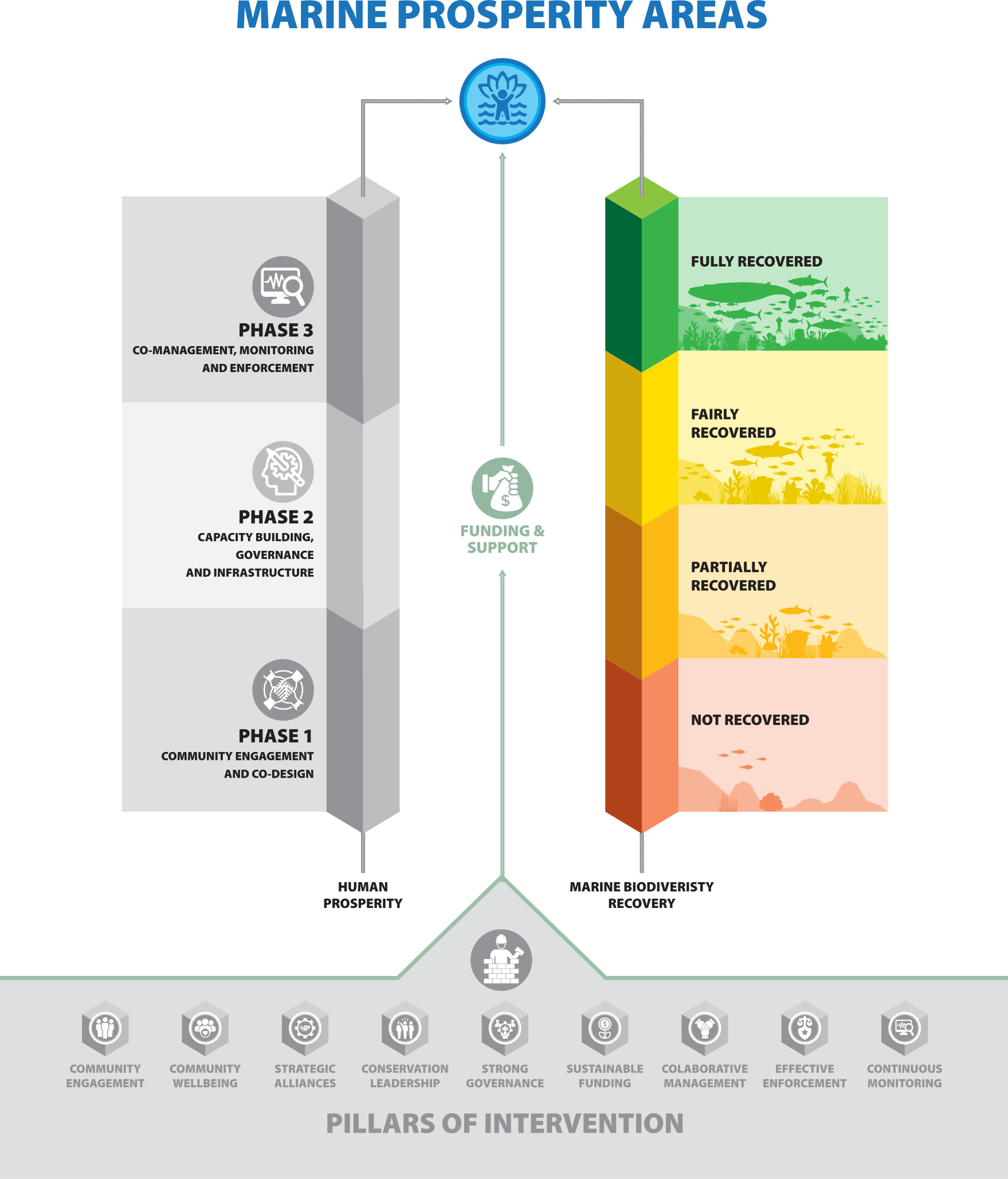
Marine Prosperity Areas aim to restore ocean ecosystems while improving human well-being over the long term. Ecological recovery is a gradual, non-linear process that can take a decade or more. As marine life begins to return, ecosystems move from a fragile state to one that is more stable and resilient. This recovery path requires consistent effort and must also address the social and economic needs of local communities.
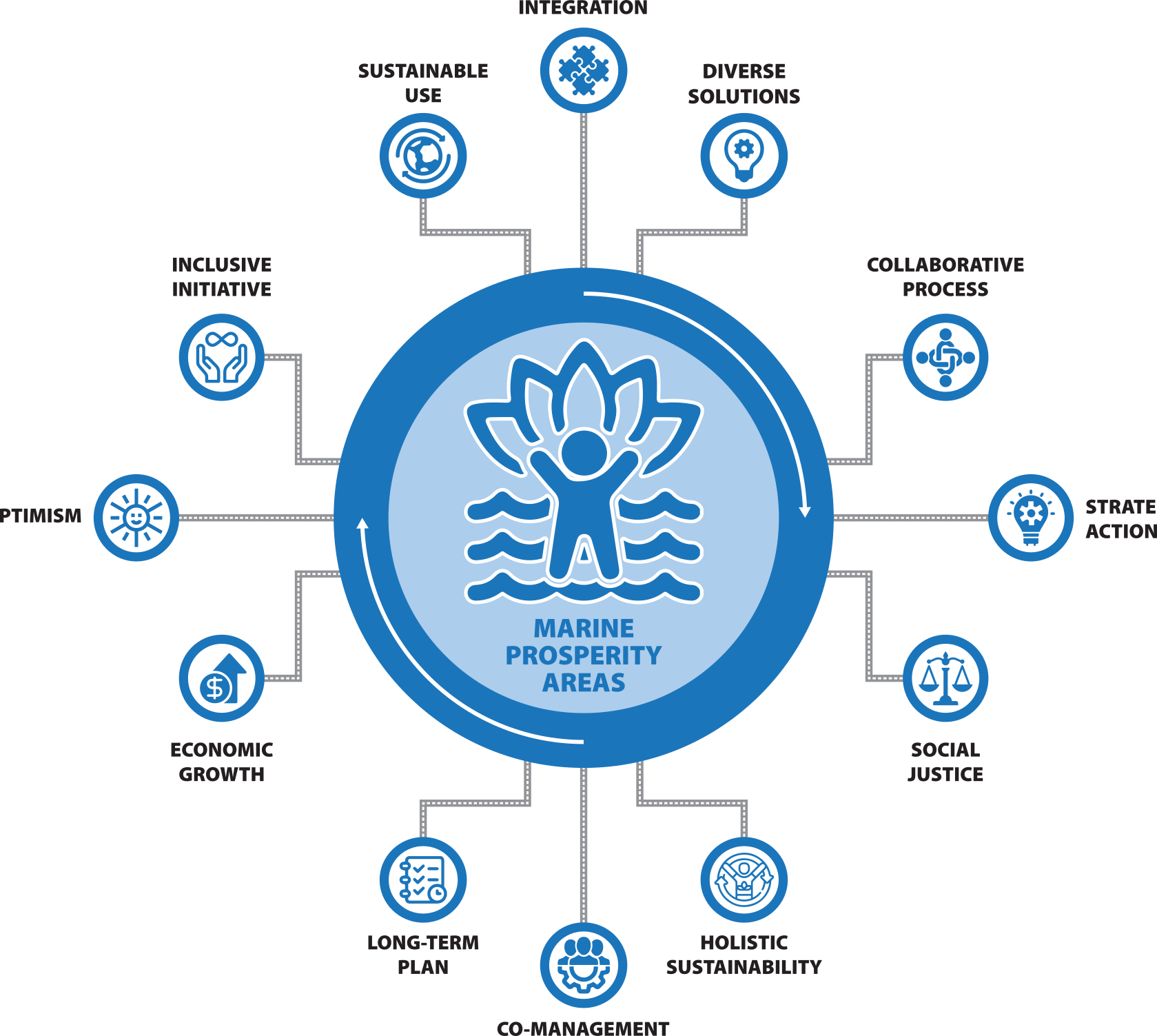
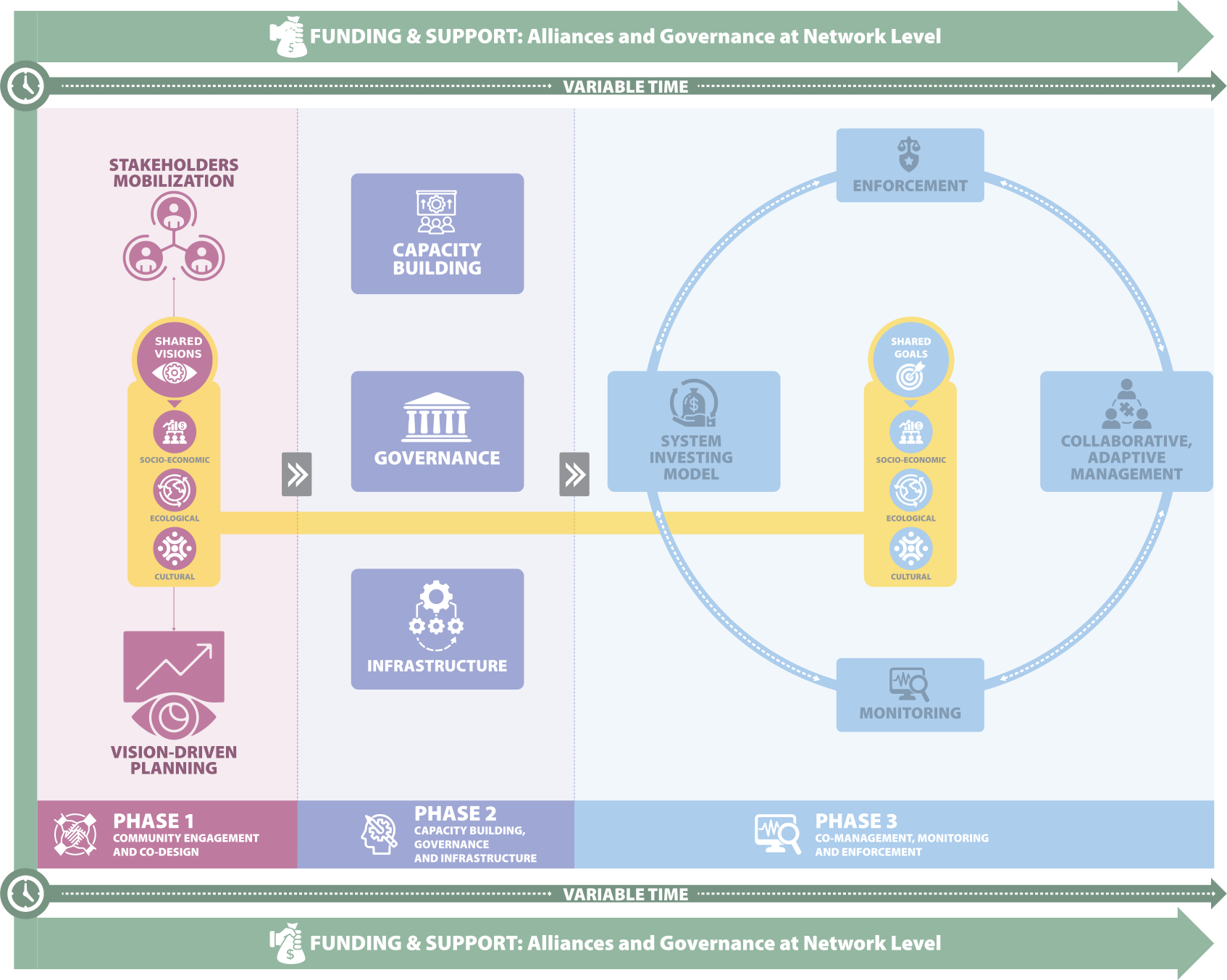
To help communities navigate this journey, MPpAs follow three interconnected phases supported by nine foundational Pillars of Intervention. This structure ensures that MPpAs are locally relevant, inclusive, and capable of adapting to long-term ecological and social change.
A DECADAL FRAMEWORK TO OPERATIONALIZE THE CONCEPT
The Marine Prosperity Area Framework is a flexible and participatory model that helps communities achieve long-term social, economic, and environmental benefits through better ocean protection. It supports a shift toward a sustainable blue economy and encourages cooperation across regions. The framework also highlights the importance of long-term investments. Financial strategies are needed to support each MPpA and the broader network over time. This means involving funders and partners who can help communities manage change, share risks, and measure progress. Investors can track outcomes using the framework’s pillars and key actions. In this way, MPpAs provide not just a conservation tool, but a roadmap for sustainable, community-led change.
KEY ACTIONS IN EACH PHASE
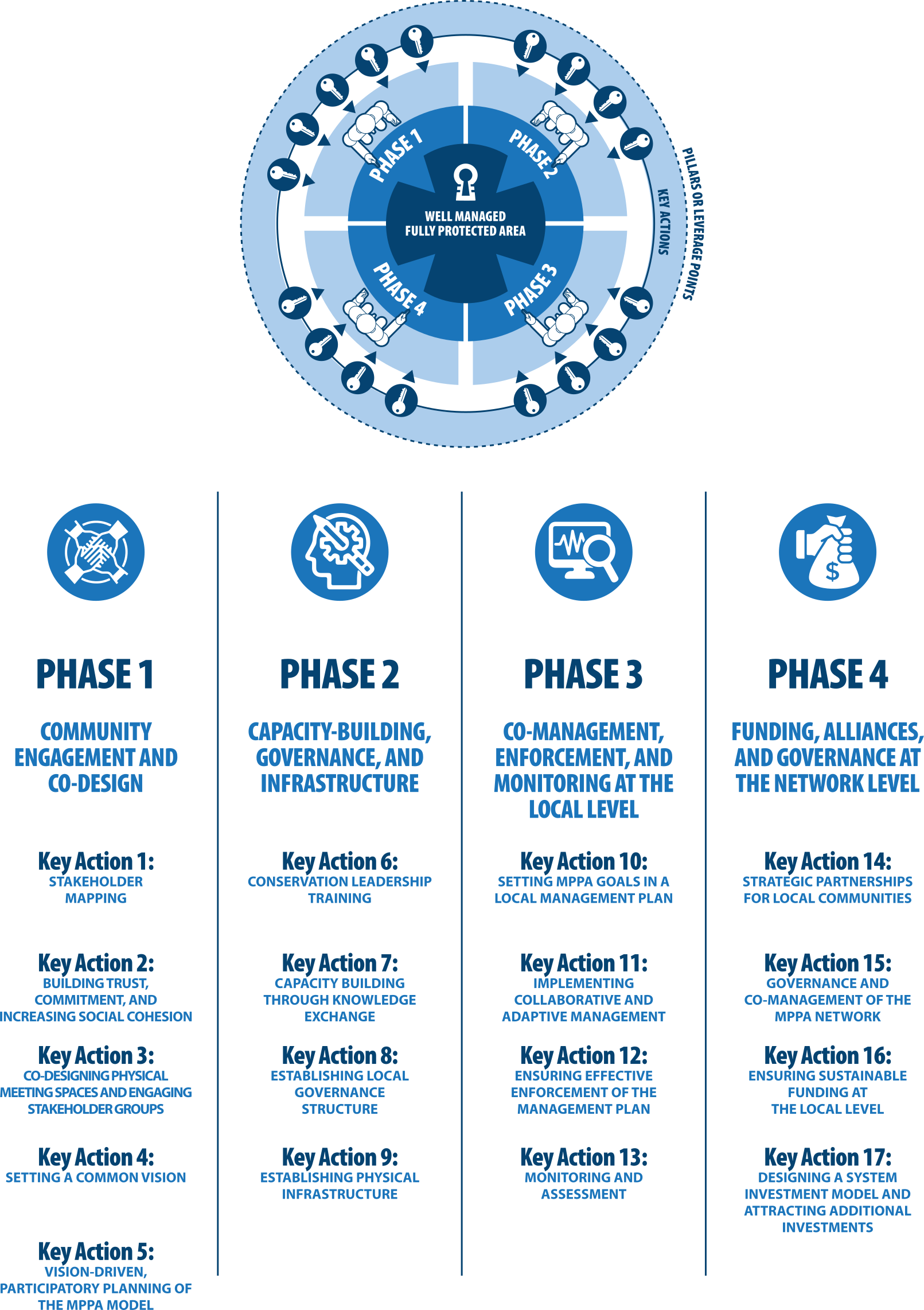
Each phase of the Framework consists of specific Key Actions aligned with the nine pillars or leverage points, as illustrated in Figure 1. These pillars draw on expertise from various fields, contributing to a multidisciplinary approach and are influenced by specific actors (Science, Community, Governance). Each Key Action occurs at a particular stage of the framework's maturation and corresponds to a specific pillar, as detailed in Table I.
CASE STUDIES IN MEXICO
Two decades after Sala et al. (2002) introduced a pioneering model that integrated biodiversity, ecological processes, and socio-economic factors to design effective marine reserve networks, its influence has extended beyond the Gulf of California. Although the model offered a robust roadmap for establishing MPAs, real-world implementation has often fallen short due to weak governance, limited enforcement, and insufficient community engagement, resulting in “paper parks” in several regions.
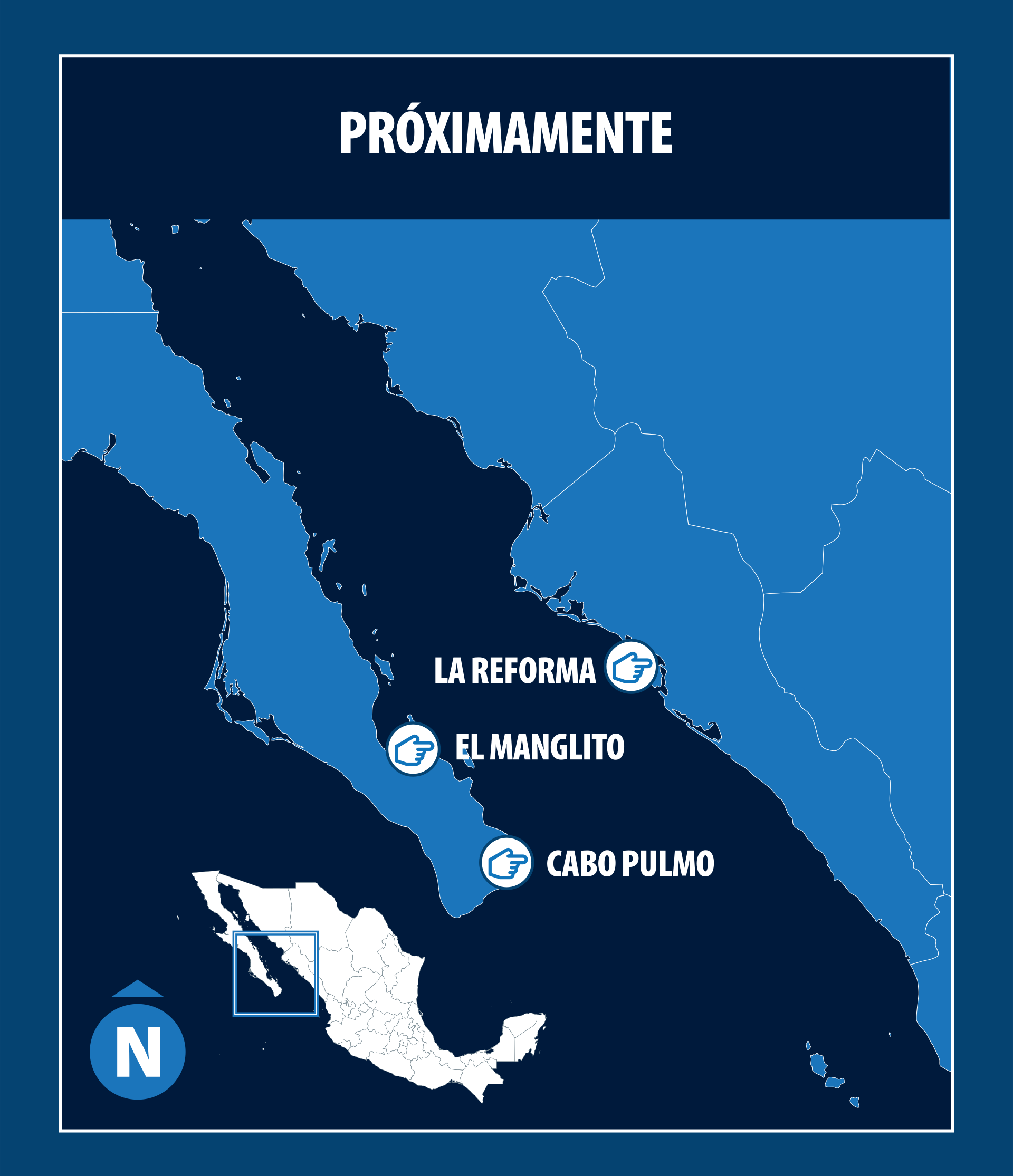
Drawing on lessons from three MPAs in the Gulf of California that have demonstrated ecological and socio-economic success despite differing local contexts, key socio-economic factors underpinning their effectiveness were identified and form the foundation of the MPpA framework. Strengthening these MPAs through the full adoption of remaining pillars would support a more holistic, integrated approach capable of addressing persistent challenges and enhancing long-term outcomes.
Fabio Favoretto
Centro para la Biodiversidad Marina y la Conservación